
popuup

Merchandising for Shopify

Your post deserves its own shop.

You post a reel about linen shirts. The link in your bio goes to a homepage with four hundred products on it.

Write one sentence instead and we’ll build a small shop from your Shopify catalogue — just the products that fit, in an order that makes sense, with words that match the post.

  • No page builder
  • Sold-out shown, not hidden
  • Your Shopify checkout

Free while we’re building these by hand with a small group of Shopify brands. No account, no card.

The post
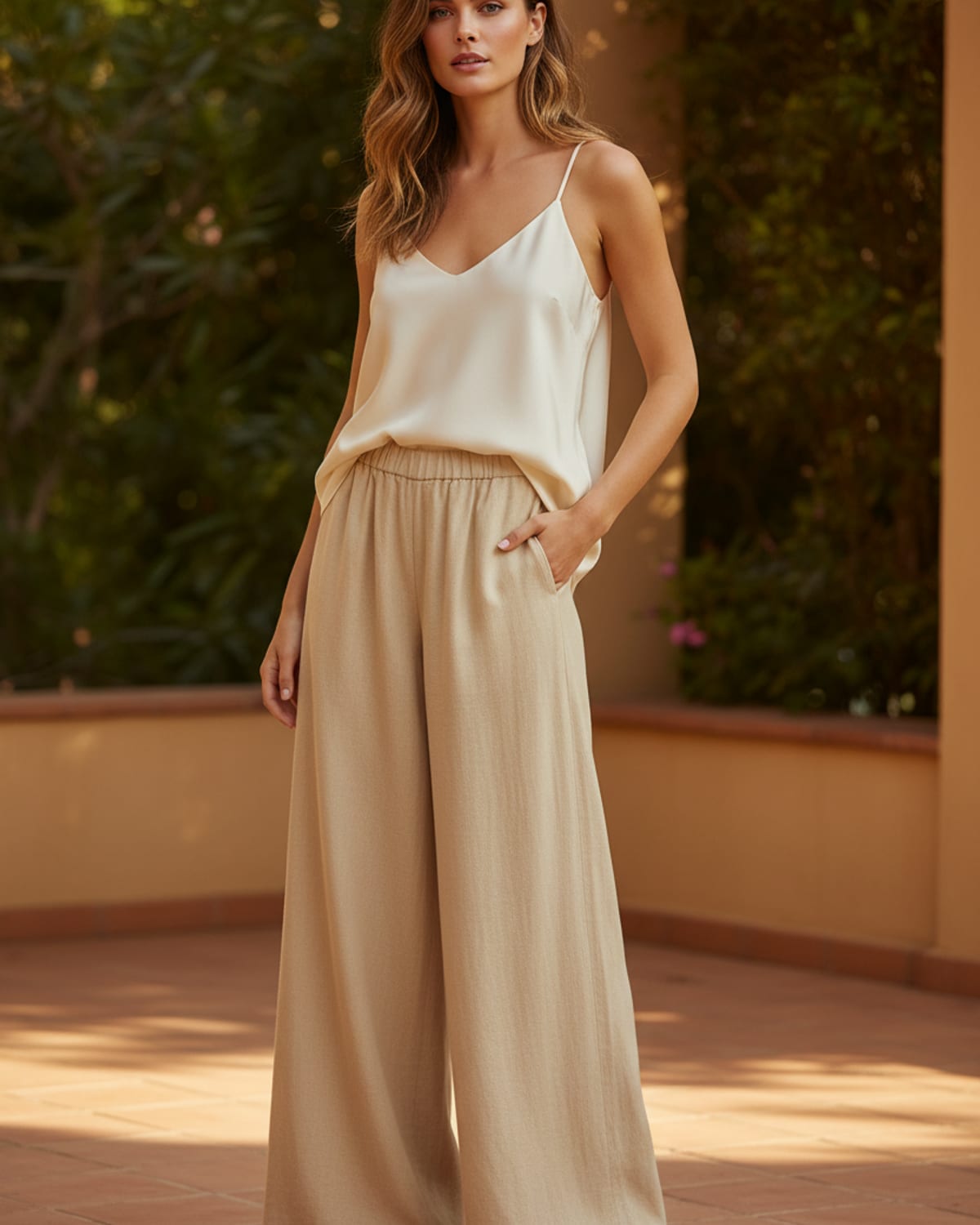
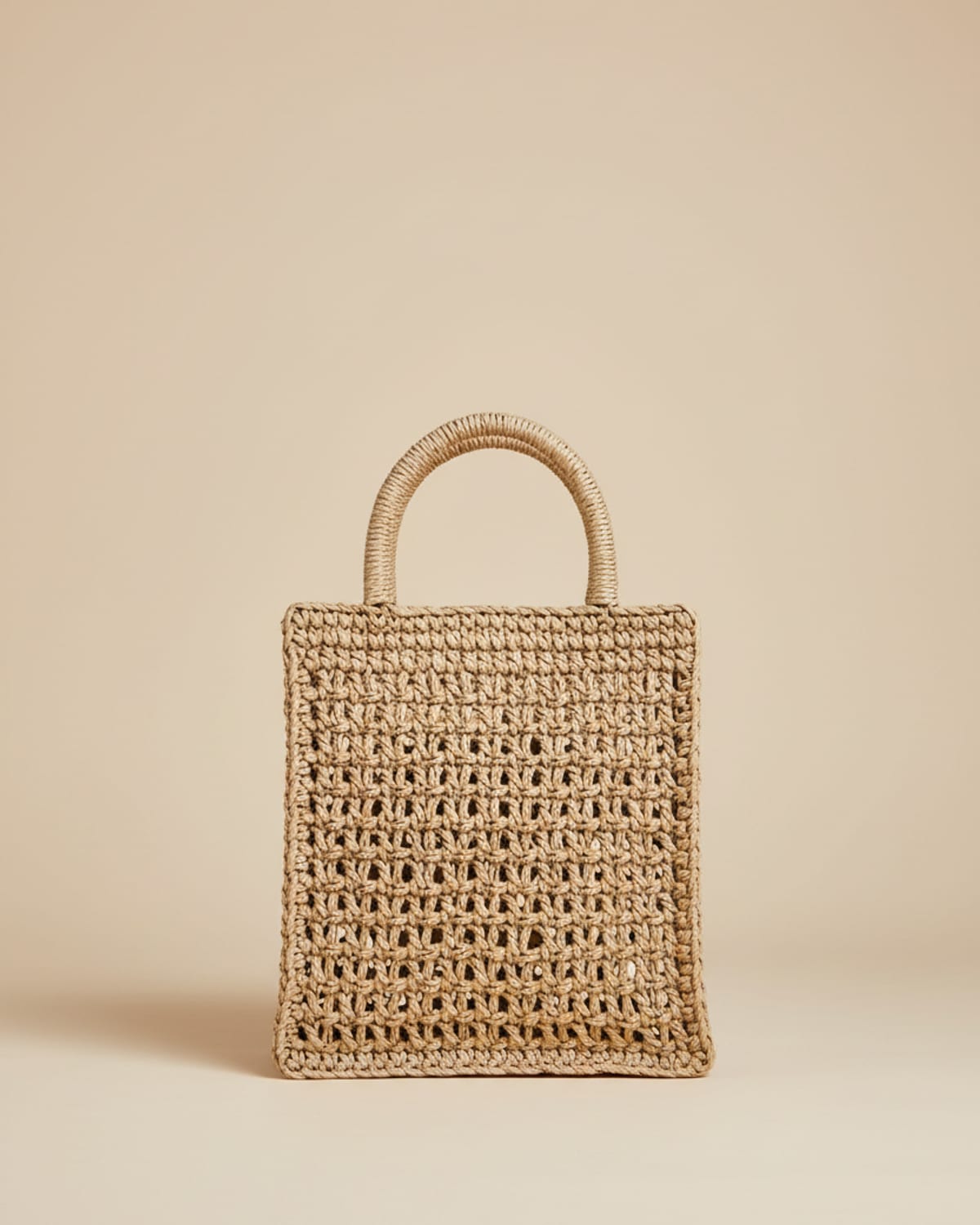
Wide linen trousers, photographed for the demo brand Casa LinoThe linen we wore all week in Ibiza.Shot on the last morning, before the wind got up.Demo brand
The sentence

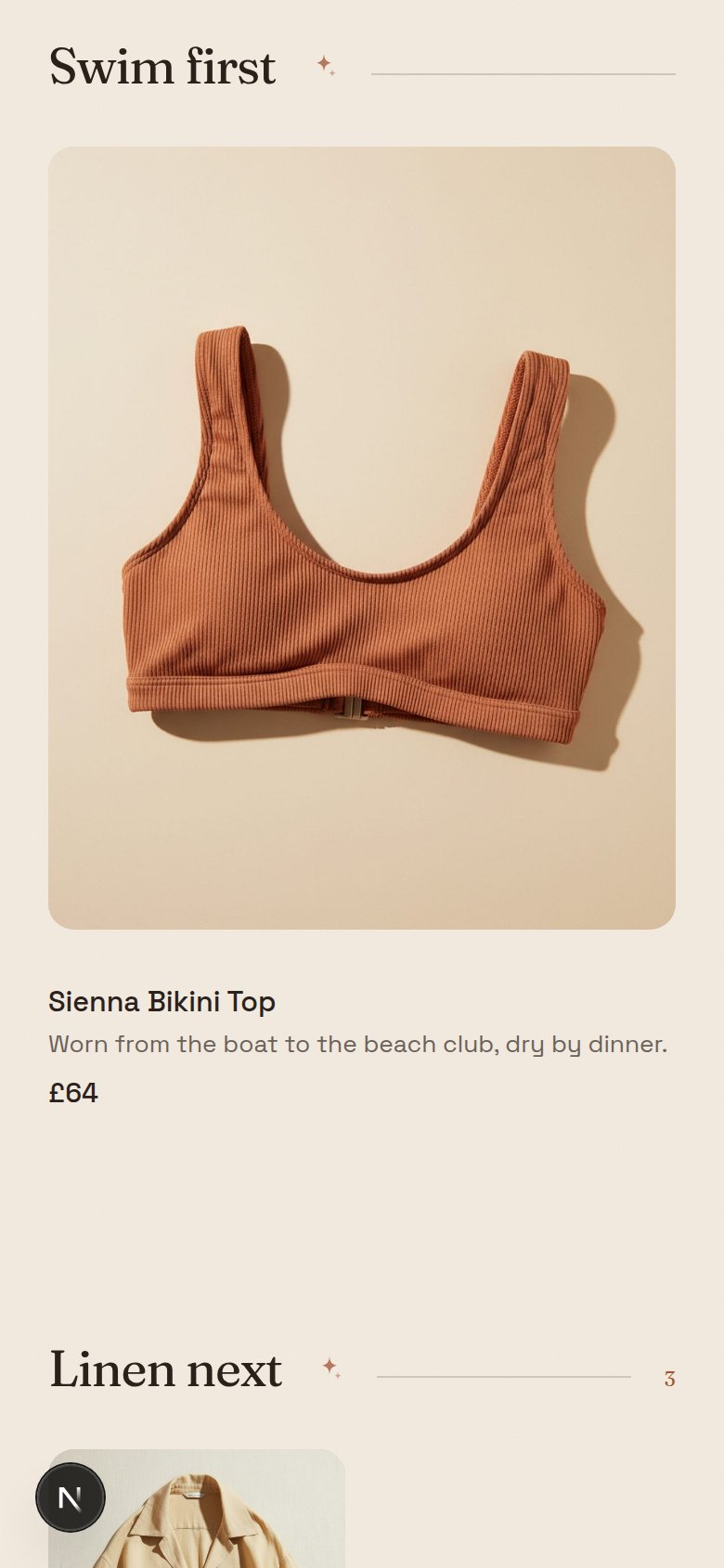
the Ibiza edit — swim first, linen next, nothing over 180

The shop
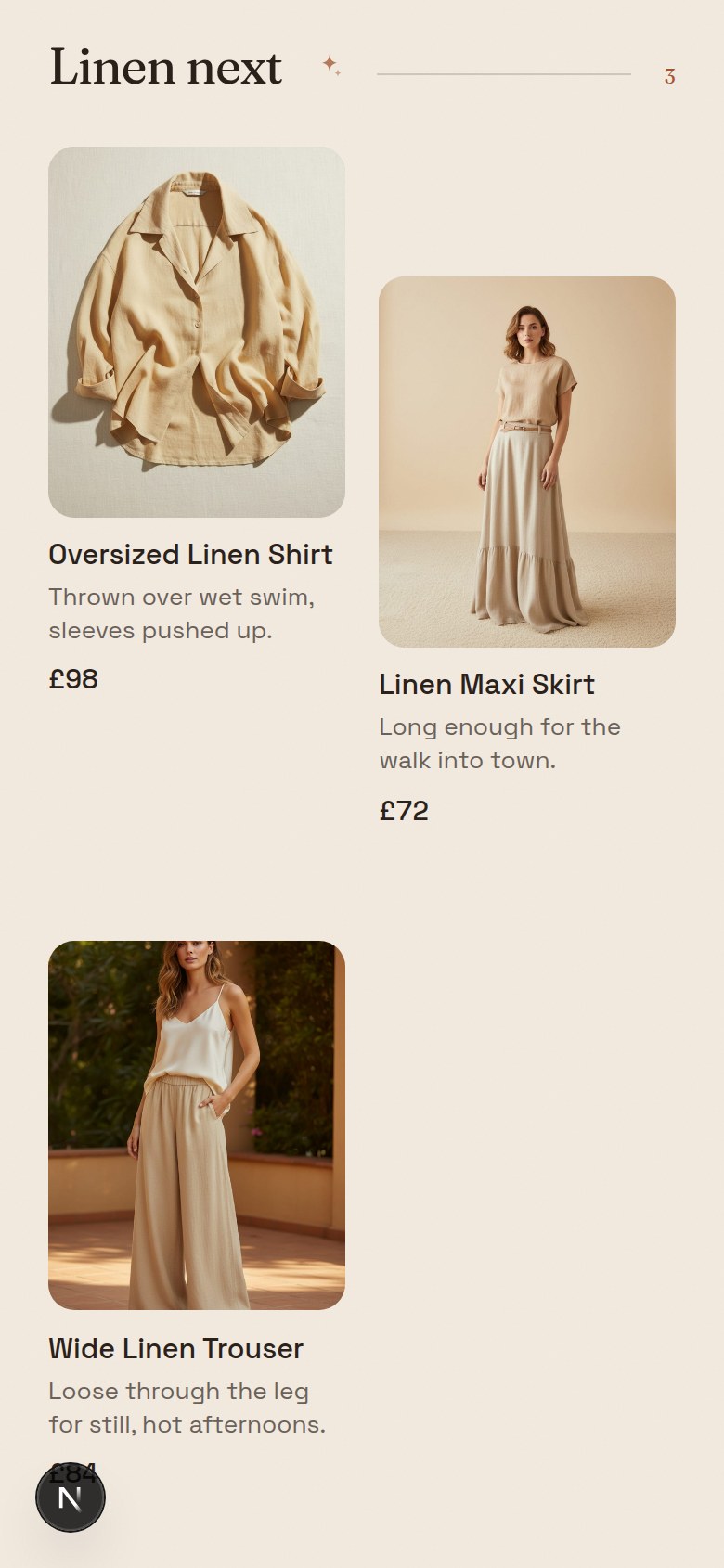
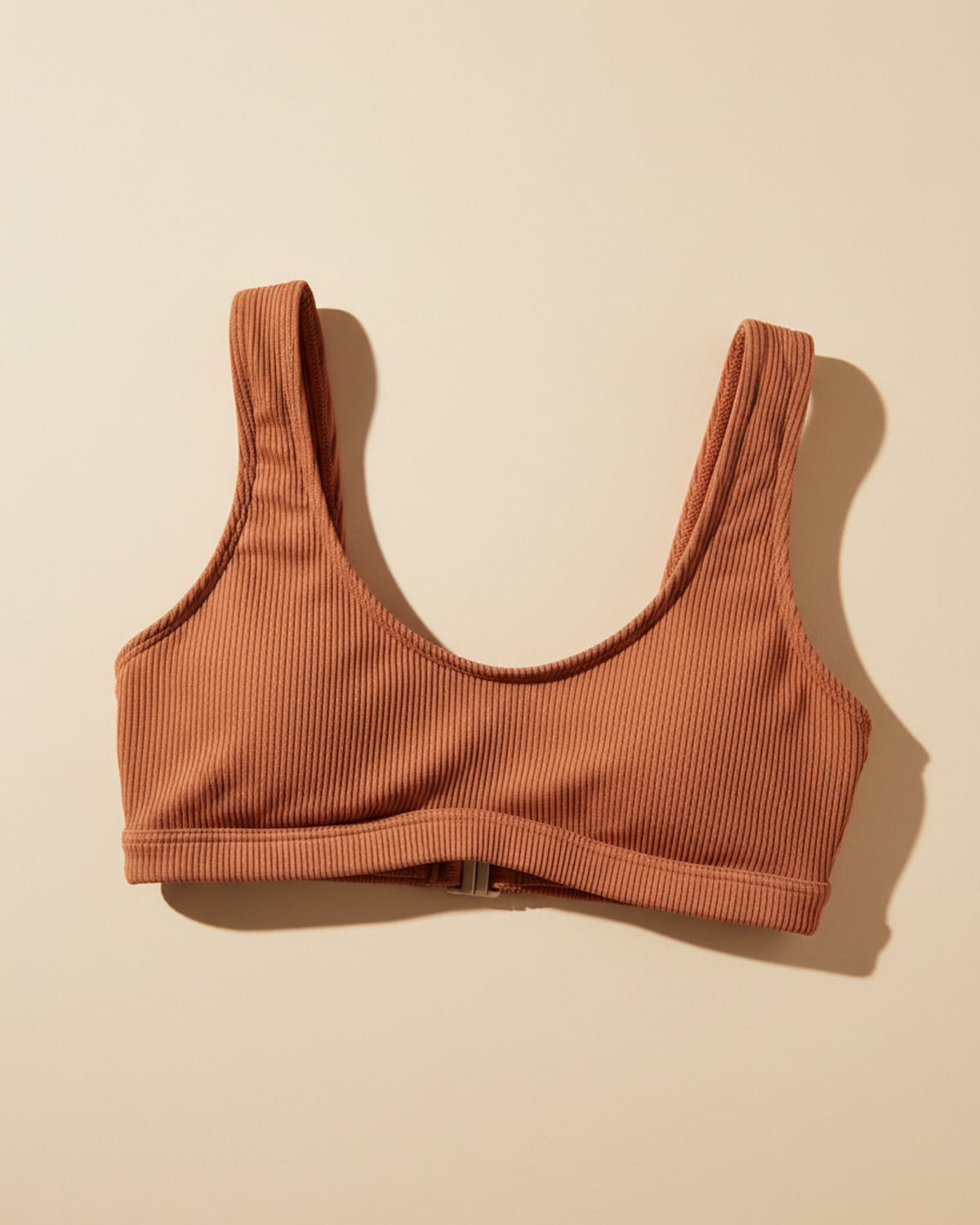
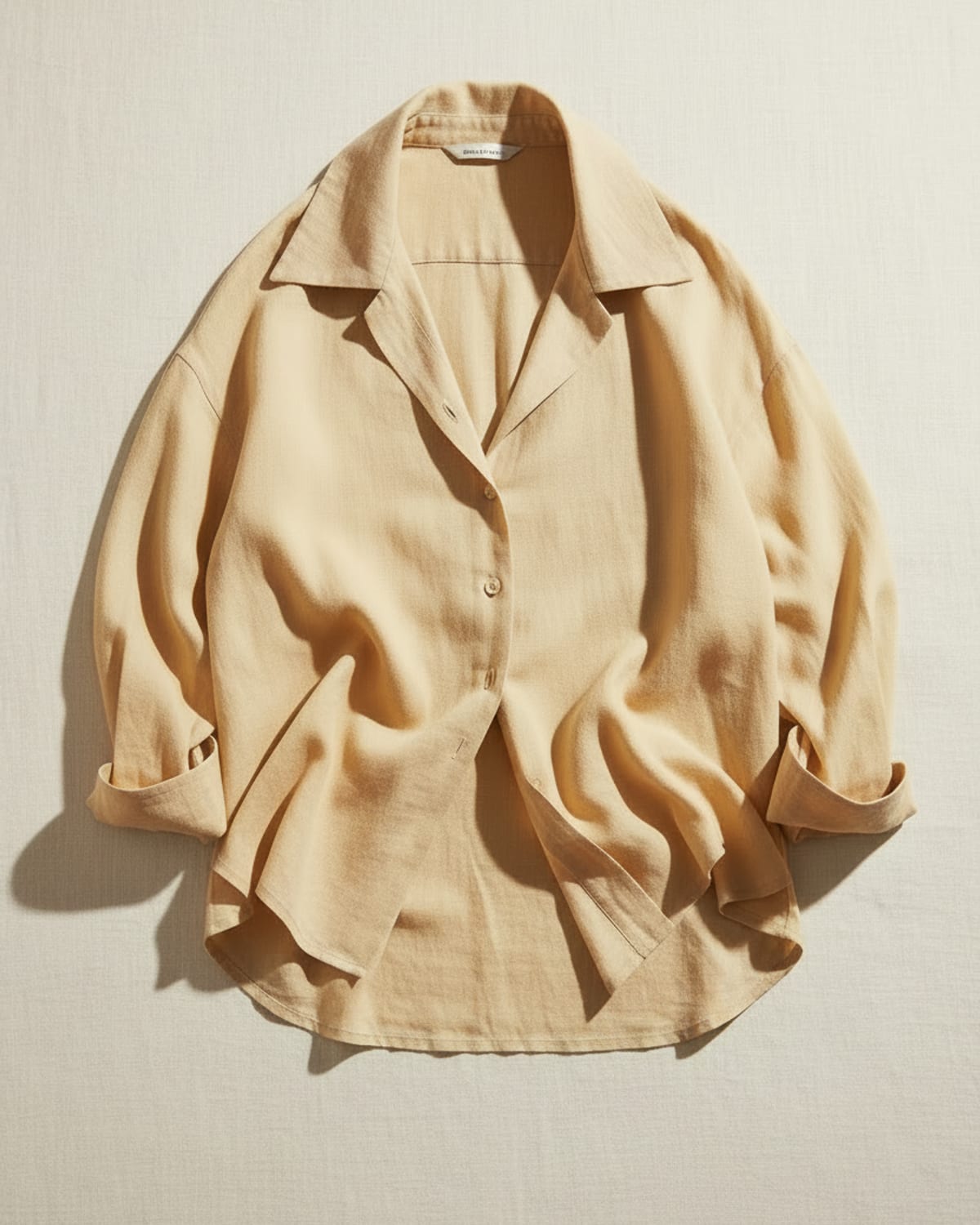
The Ibiza edit, the shop popuup generated from that sentence
Different post.
Different shop.

Three steps. One sentence each.

There is no fourth step. That is the entire product, and it is why there is nothing to learn.

  1. 1

    You say who it's for

    One sentence about the post you're linking from. No brief, no form to fill in.

    the Ibiza edit — swim first, linen next, nothing over 180
  2. 2

    We build the shop

    We read your catalogue, pick the products that fit, then order and write them.

  3. 3

    The link goes in the post

    A bio, a story, an email, an ad. It sends people to your own Shopify checkout.

    casalino.popuup.shop/ibiza

What you actually get

One catalogue. Five shops.

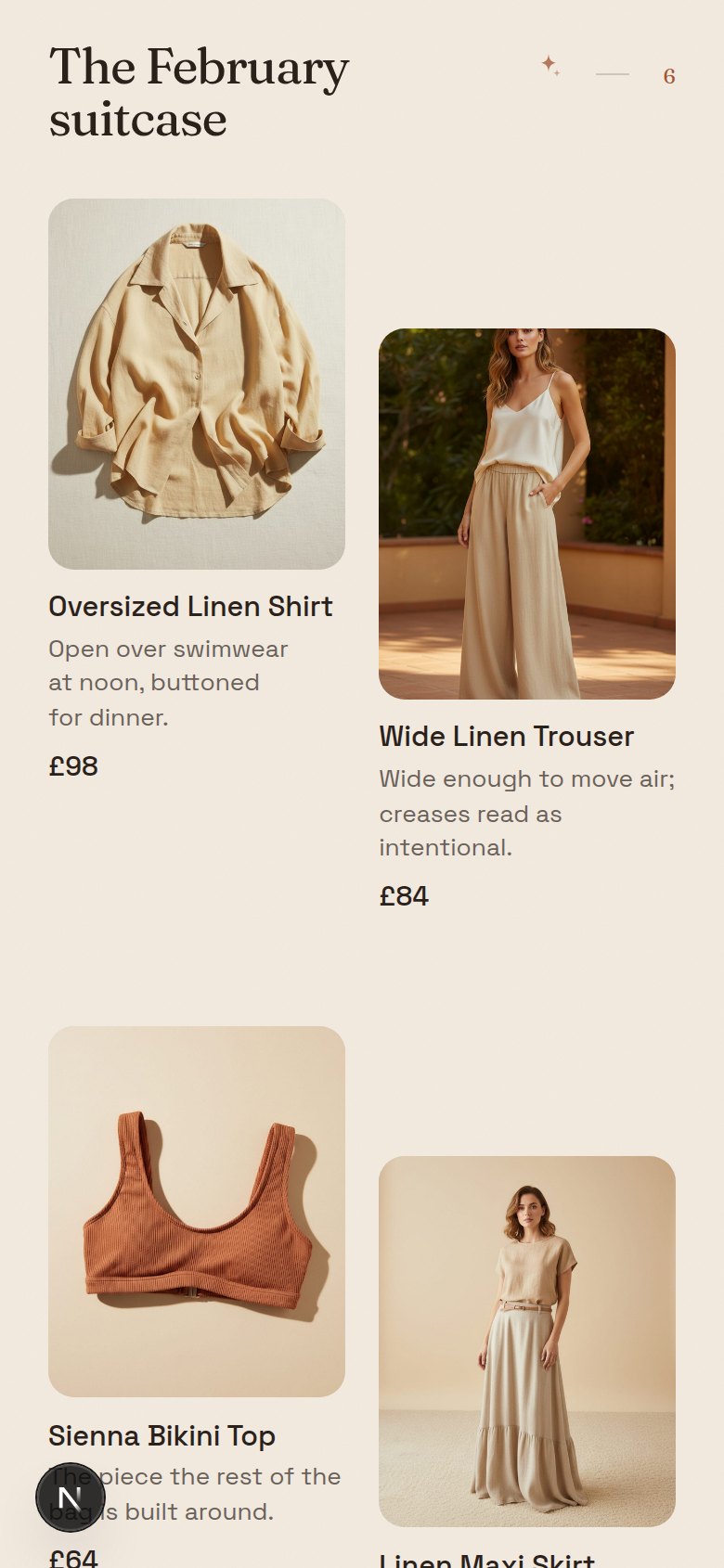
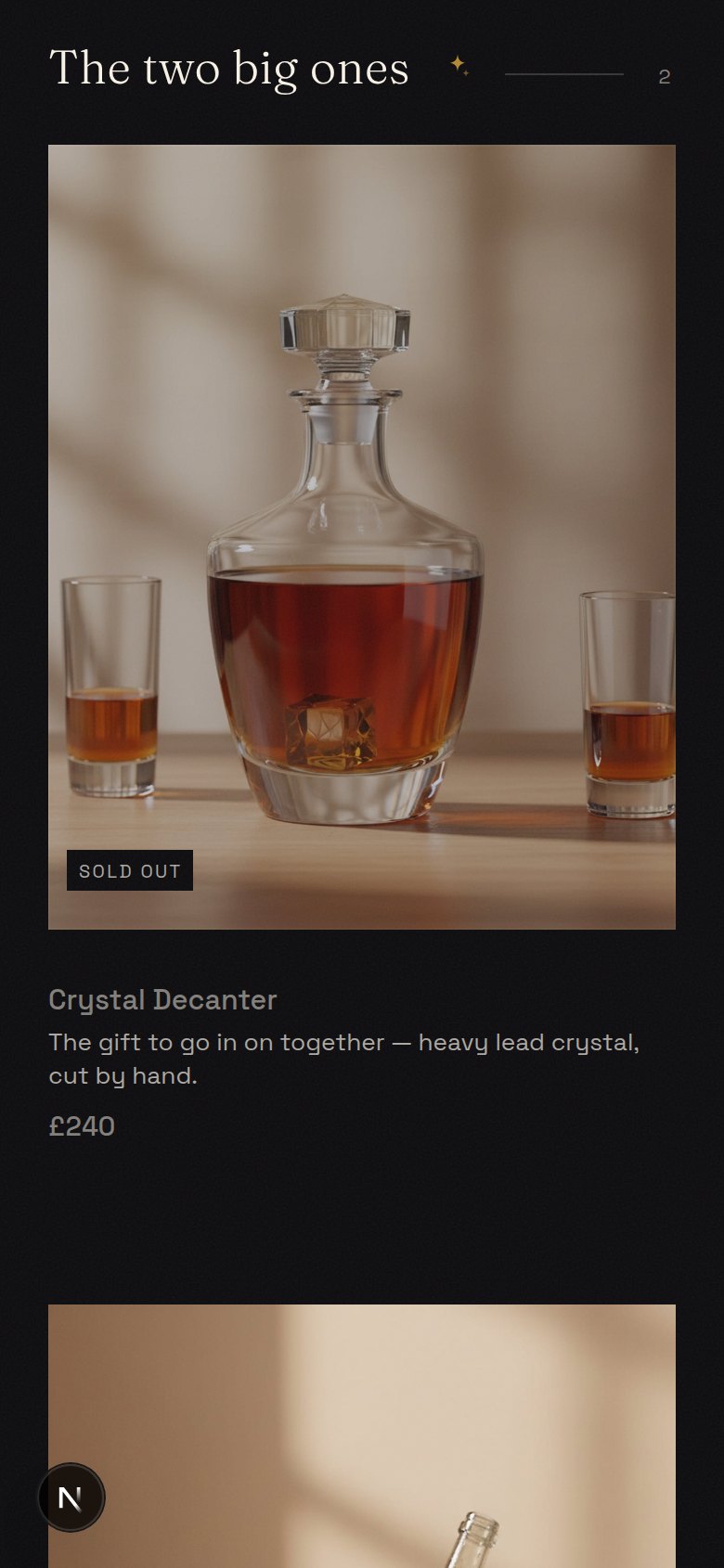
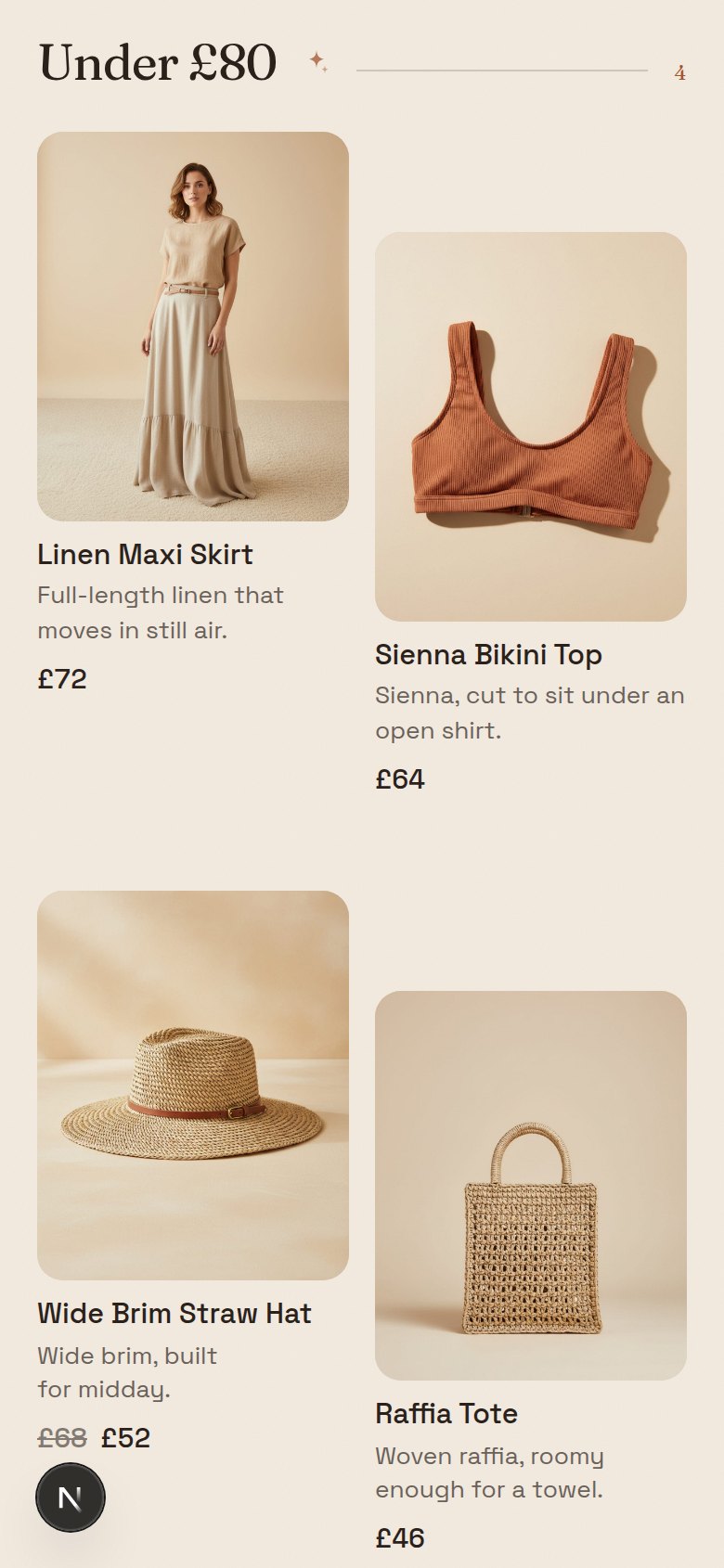
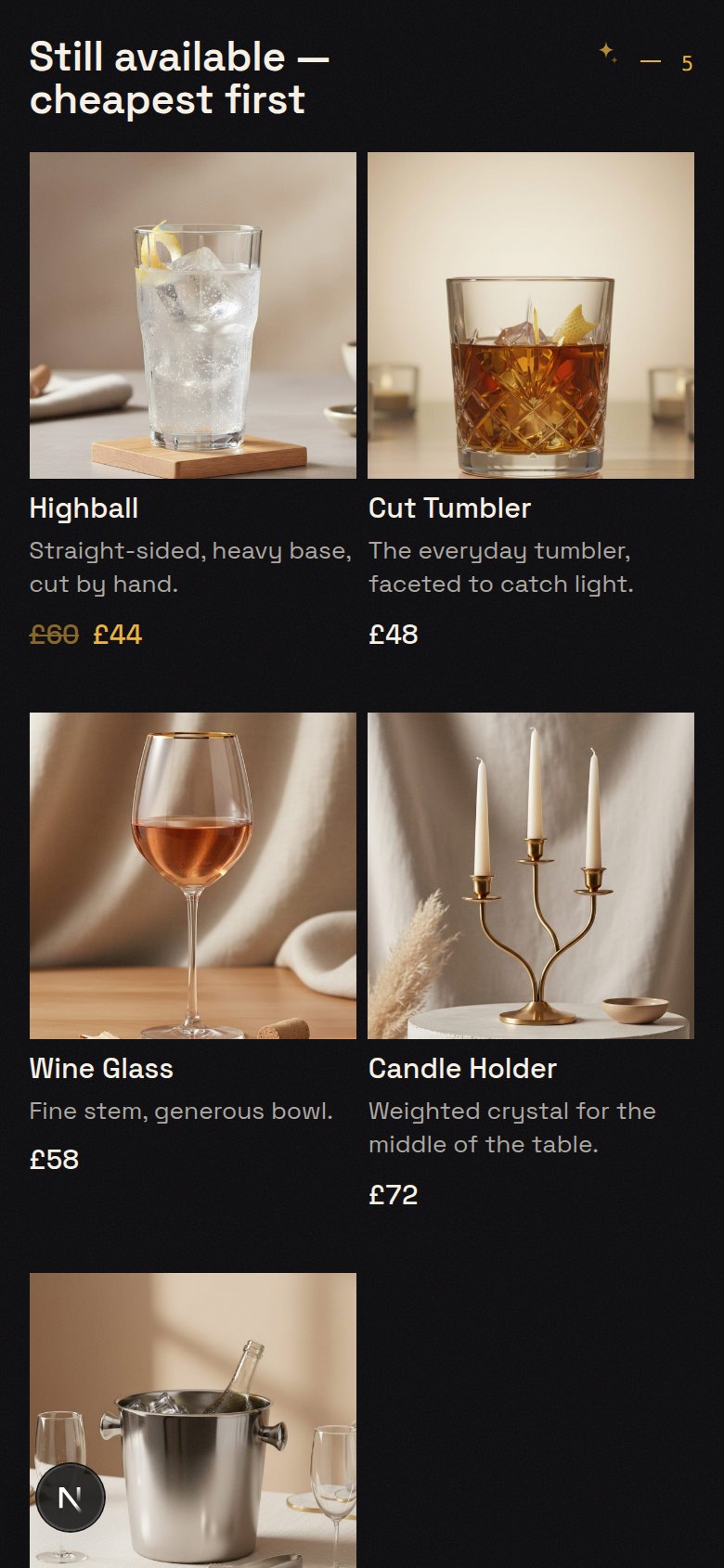
All five sell the same eight products. One sentence each, and they come out completely different: 4 pieces when the sentence caps the price, 7 for a February suitcase, and a wedding shop that opens with the one dress that is sold out — marked, not dropped.

The colour never changes, because it’s still one brand and it isn’t ours to repaint. The lettering can: the clearance shop set itself in a mono face, which is a decision about that shop’s job rather than about the brand. This is a made-up shop rather than a real merchant’s, so we’re not borrowing anyone’s products to sell you something — but the shops are real, built by the same code yours would be. Open any of them.

There is no page builder.

A campaign shouldn’t cost you an afternoon of dragging blocks around. Write the sentence, get the shop. That’s the whole job.

Two things a page can’t do

Shops that keep up

A page you built in March is still selling March. Ask for a rebuild and the shop reorders itself around what you can actually still sell. The rules are fixed and written down — not a model’s opinion on the day.

BeforeWrap Coat Sold outLinen Dress In stock
RebuiltLinen Dress In stockWrap Coat Sold outMoved down, not hidden
  • What you can still sell comes first
  • Products you’ve deleted drop off the page
  • Sold-out ones stay, and say so
  • If too much has changed, we ask first

A shop per creator

Their picks and their name, on their own link — running on your catalogue and your checkout. The credit sits under the brand, in the brand’s own colours, and it is recorded when the shop is published rather than inferred from anything.

Maison Verre

Chosen by Ana Ruiz

  • Their audience
  • Your products
  • Their own link

Where this actually is

Early, on purpose. We’re making shops with a handful of Shopify brands to find out whether they’re genuinely useful before building the rest of it.

Free shops carry a small “Made with popuup” credit at the foot, in your own colours. Paid plans will remove it — what that will cost.

Your catalogue. Every audience.

Send your store and a sentence about who the shop is for. If your storefront is public we can read its product feed without you installing anything.